Early Humans Had Less Osteoarthritis: What We Can Learn
At The Moving Body, we take pride in helping patients manage osteoarthritis. We understand the challenges this condition brings and are dedicated to improving joint health. Osteoarthritis is a degenerative joint disease that affects millions today, but evidence suggests that early humans suffered from it far less. Exploring why can offer valuable insights into better management and prevention strategies in our modern world.
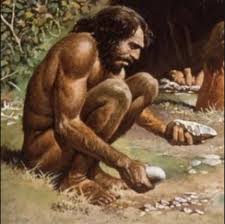
1. Physical Activity: Movement for Survival vs. Sedentary Modern Life
Early humans led highly active lives, constantly moving through hunting, gathering, and exploring. Their movements were varied and natural, which helped keep their joints strong and healthy. In contrast, modern lifestyles are often sedentary, with people spending long hours sitting at desks or on the sofa. When we do move, it’s often either repetitive, as seen in factory work or typing on a keyboard, or the opposite extreme—going from being inactive to suddenly engaging in intense physical activity, which can strain the joints. This inconsistency, along with repetitive movements, contributes to the development of osteoarthritis in modern times.
2. Diet and Nutrient Intake: A Diet for Healthier Joints
The nutrient-rich, anti-inflammatory diet of early humans—rich in lean meats, fish, fruits, and vegetables—played a significant role in reducing inflammation and promoting joint health. In contrast, today’s diets, which are often full of processed foods, can contribute to inflammation, making modern populations more susceptible to osteoarthritis.
3. Body Weight and Joint Stress: Less Strain on Joints
Our ancestors’ active lifestyles and healthy diets meant they were typically lean and muscular, placing less strain on their joints. In modern times, the prevalence of obesity leads to increased joint stress, particularly in weight-bearing areas like the hips and knees, contributing to the early onset of osteoarthritis.
4. Longevity and Osteoarthritis: A Natural Decline or Age-Related Phenomenon?
While early humans lived shorter lives, studies of their skeletons reveal lower rates of osteoarthritis, even in older individuals. This suggests that their active, healthy lifestyles helped protect their joints from the age-related wear and tear that modern populations experience more frequently.
How can Osteopathy help osteoarthritis?
At The Moving Body Osteopathy clinic, we help patients with osteoarthritis by applying these ancient lessons to modern care. Through specialised hands-on techniques such as massage, joint mobilisation and streching, we work to improve the movement of joints affected by osteoarthritis. Our Osteopath, Barry McVeigh also guides patients on how to exercise safely, as the right amount of appropriate exercise can often halt the progression of the condition. Most patients experience an improvement in joint function and quality of life along with a decrease in pain.
We believe that with the right approach, osteoarthritis doesn’t have to limit your quality of life. Click [here] to make an appointment and start your journey towards better joint health today!